




Movement as Meditation
In our search for calm within our daily lives, we often forget its partner, mindful movement. Our bodies need motion just as our minds need quiet. When paired, they create a powerful form of active meditation that fits seamlessly into daily life.
PHOTOGRAPHY & CREATIVE DIRECTION / SIMON ELMALEM
We often find what matters most isn't how hard we move, but how aware we are while moving. A slow walk on the beach can be as meditative as a carefully practiced yoga pose. Both bring us into the now through what we feel, sand shifting beneath our feet on a beach walk or limbs extending during a yoga class.

Building Awareness Through Movement
Movement meditation starts simply. First, the body settles into alignment. Then, the breath deepens. Finally, attention rests on physical sensations. These basic steps create a foundation that extends beyond formal practice. Your morning coffee ritual becomes a mindful moment. Your evening stretch turns into a bridge between workday and rest. Even the smallest actions gain meaning through awareness.
Research backs what many of us already sense to be true that mindful movement lowers stress hormones while helping the brain grow new connections. The body enters a state where alertness and calm exist together, with awareness growing as tension fades. When we move with full attention, the brain builds new pathways linking thinking and feeling. As a result, we can stay more present even when we're not formally in a type of active practice.
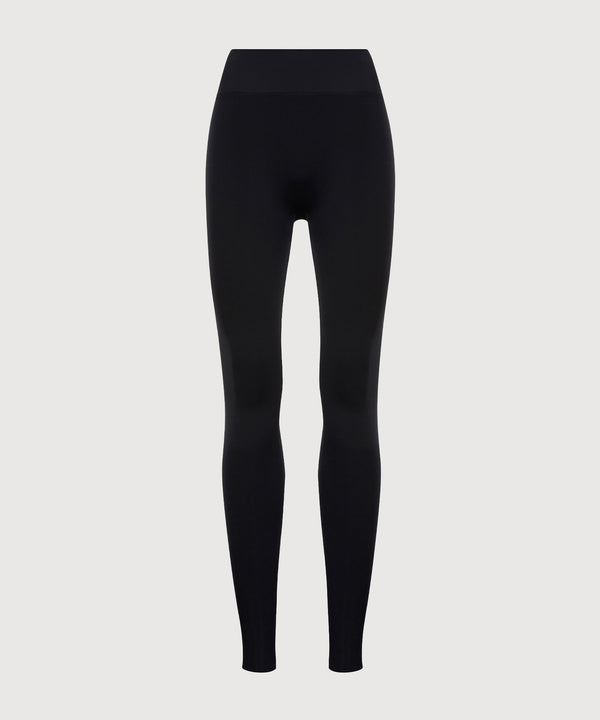
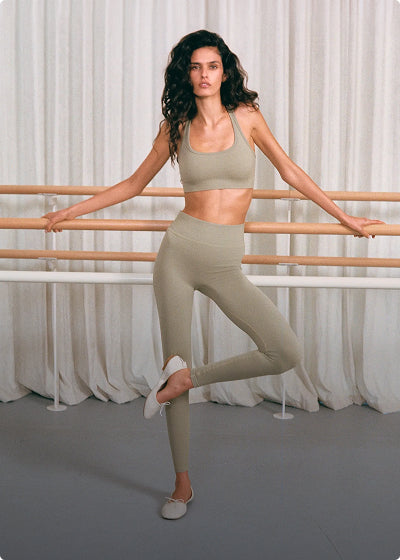
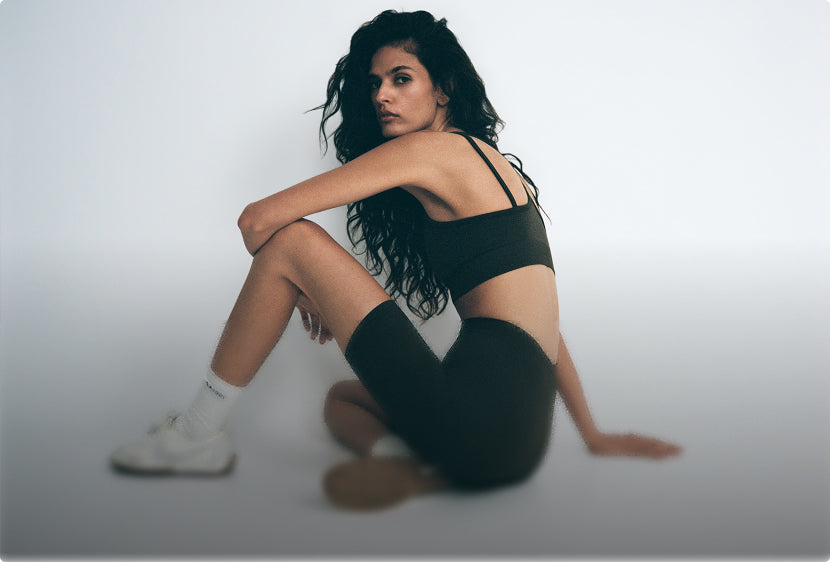
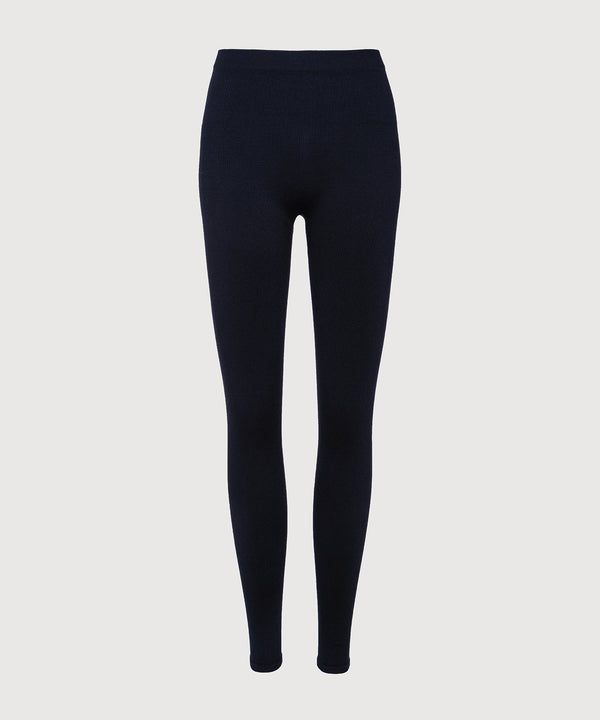
24/7 Legging 25" - Black
The 24/7 Legging stretches from hip to ankle in double-layer fabric that feels supportive and luxurious without any restrictive squeeze. <...
This approach works especially well during daily transitions. Morning movement readies the body and mind for the day ahead. Evening practice signals that it's time to wind down before sleep. Over time, the body learns to flow with these natural rhythms to create mindful habits that nurture us holistically.


Finding Practice in Everyday Life
Often we can find that we don't need to follow traditional forms of movement meditation. Forest bathing, the Japanese practice of slow walking in nature, offers one path. Swimming in the ocean, where each wave demands your attention, provides another. Even exploring city streets with fresh eyes can awaken your senses. We can find these activities no matter where we are, where we live or what type of lifestyle we have around us. A true ‘awareness’ fits into our daily moments. Reaching for something on a high shelf. Swaying slightly while waiting in line. Stretching after sitting too long. Each becomes a chance to practice being fully in your body.
One major benefit of practising in this way is that you don't need special conditions or large blocks of time. A three-minute standing sequence between meetings helps reset your system. A mindful walk from car to office can create a clean transition into the next chapter of your day. Small moments add up to meaningful practice.


How Senses Enhance Awareness
Movement meditation works so well partly because it engages many senses at once. This creates a rich experience that naturally holds your attention. Many people who struggle with sitting meditation find this approach much more accessible.
Think about a simple morning stretch: you feel the support beneath you, the pleasant warming of muscles, and subtle shifts in balance. You hear your breath, focus your eyes on a single point, and sense exactly where your body is in space. All these inputs together capture your full attention.
When multiple senses engage at once, different brain regions activate simultaneously. This makes it harder for your mind to drift into worry or planning, creating natural presence without forcing concentration.
This state matches what experts call "flow" which is becoming fully absorbed in what you're doing. Flow reduces anxiety while boosting creative thinking. The more often you experience flow, the easier it becomes to access this state. This flow state also helps emotions move through the body rather than getting stuck in thought loops.
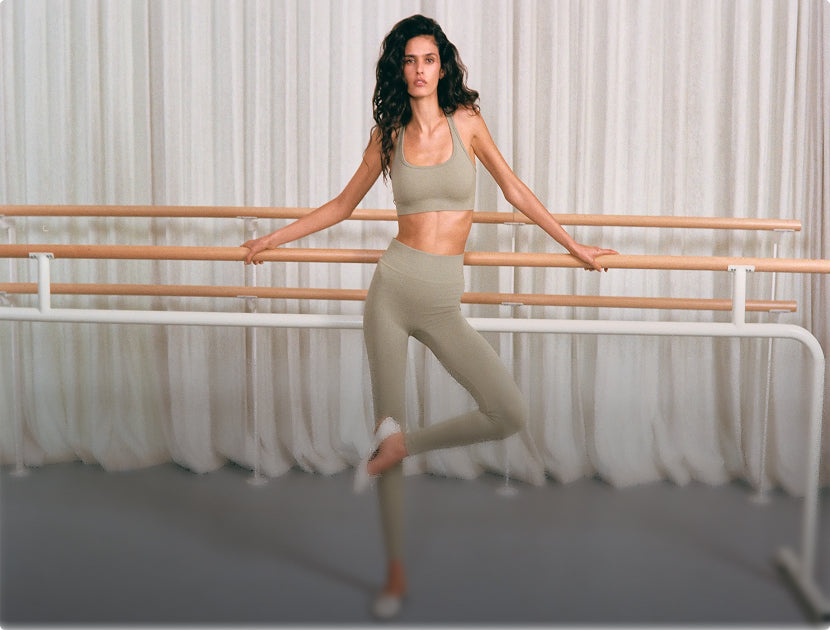
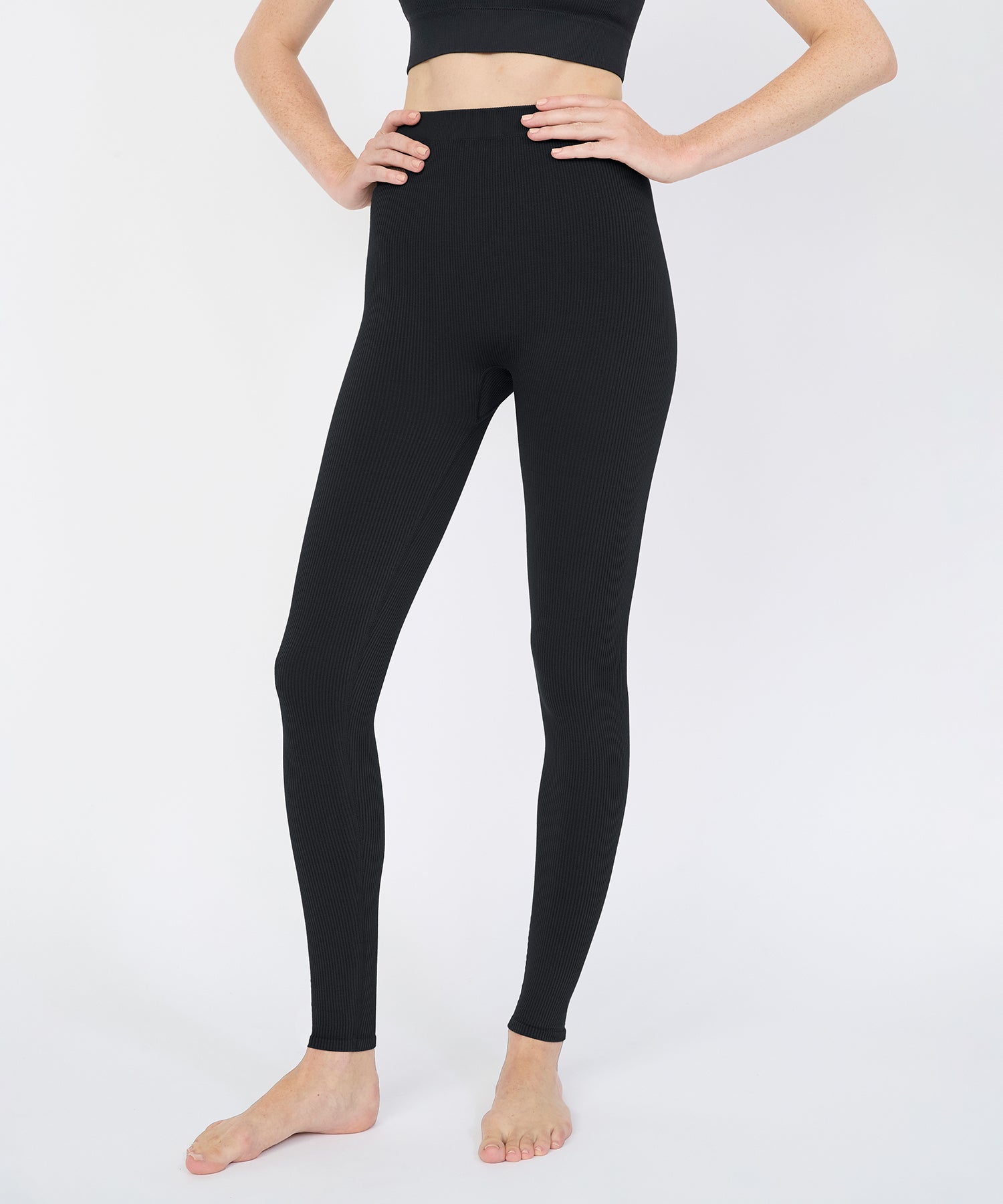
24/7 Legging 25" - Black
The 24/7 Legging stretches from hip to ankle in double-layer fabric that feels supportive and luxurious without any restrictive squeeze. <...
Your body becomes both a container and vehicle for emotional well-being.

Choosing comfort
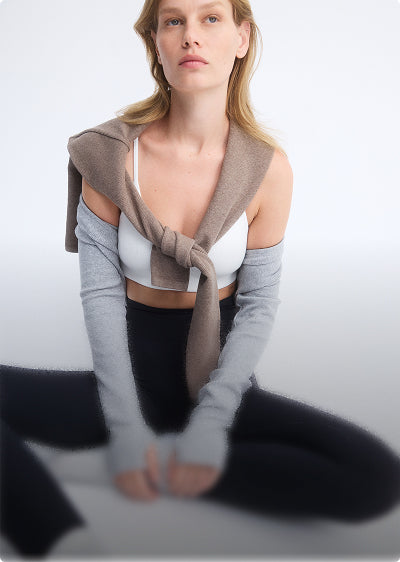
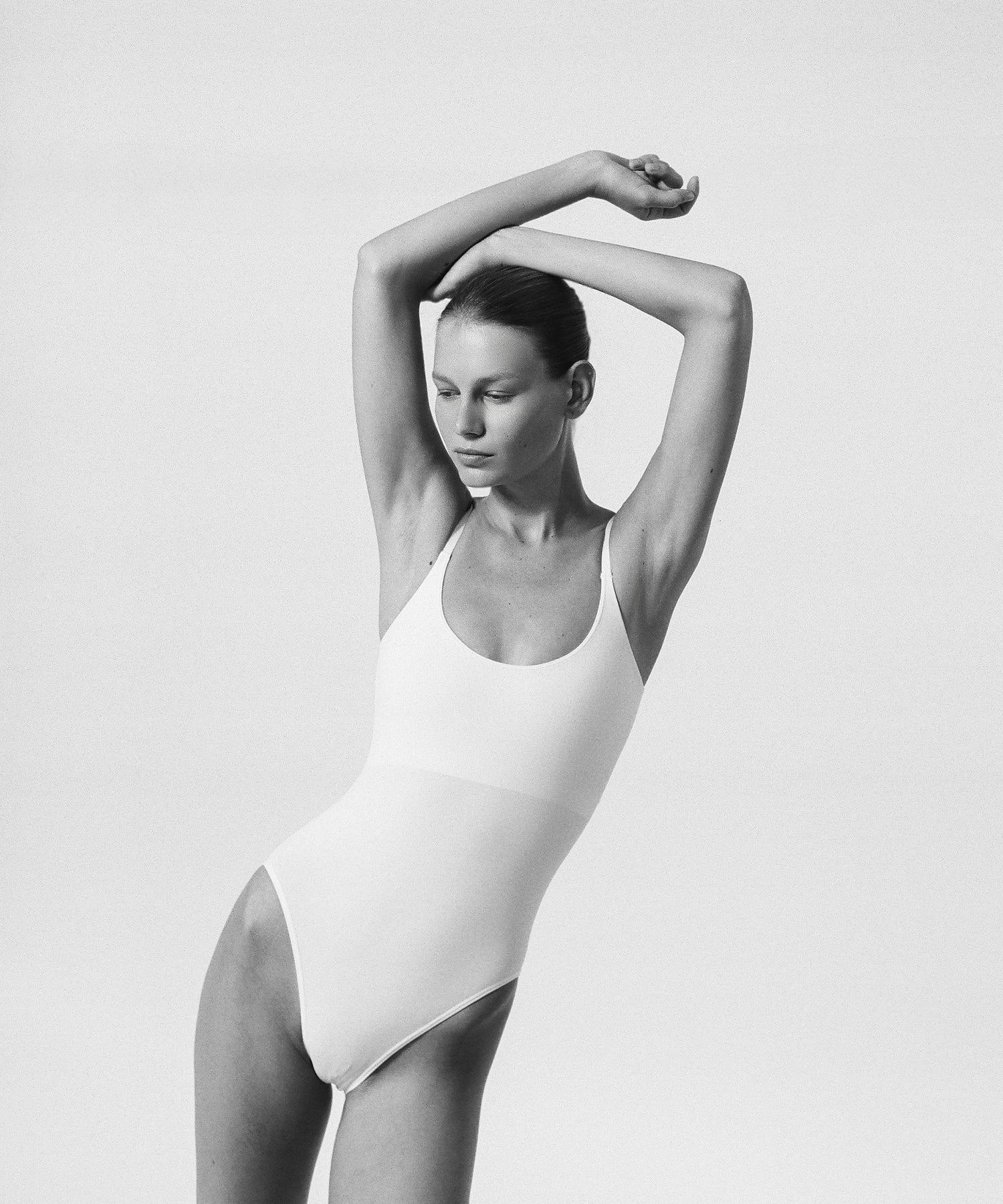
What you wear either helps or hinders this practice, as being comfortable is essential to avoid distraction and allow the body to fully be aware. Movement meditation needs clothing that allows freedom while keeping your body at the right temperature. The ideal fabric feels like a second skin, supportive but never restrictive.
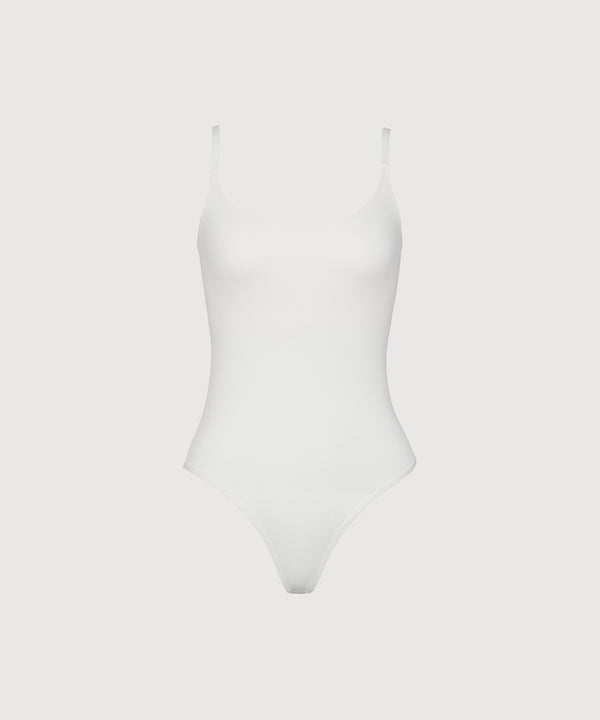
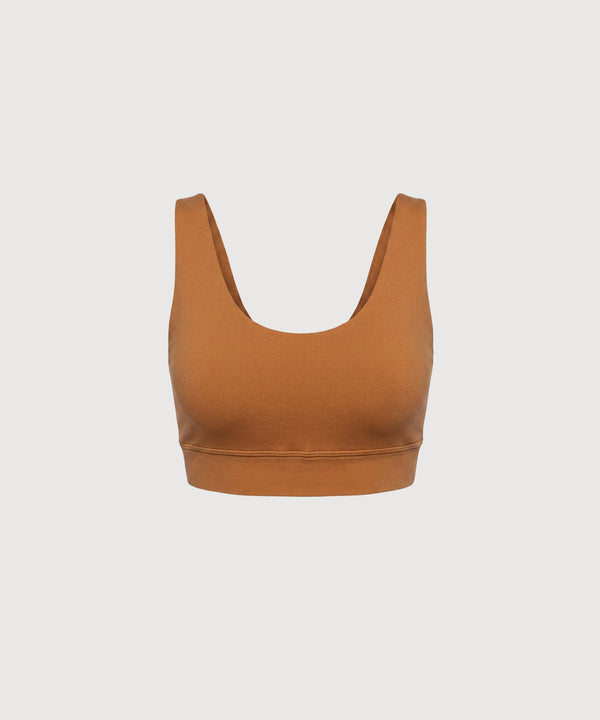
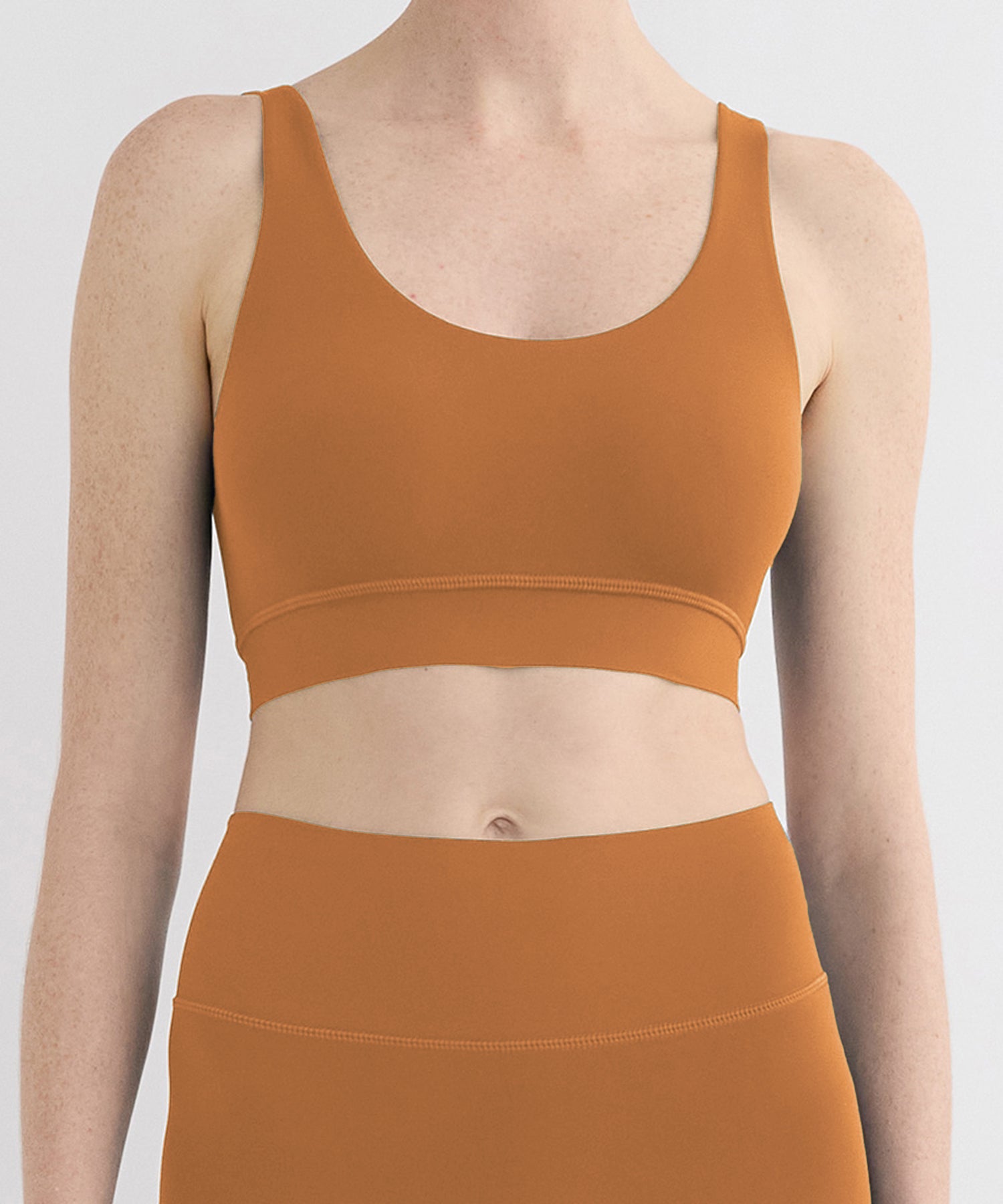
SAISEI’s Essential Movement collection is designed with this balance in mind. The seamless pieces feature CiCLO®-treated fibers blended with a recycled Nylon, creating a soft, supple fabric that moves with you, never against you. This considered fabric makeup has support built into its DNA, combining precision fit with lasting comfort for any and all mindful activities.
The seamless structure of the garment breathes while maintaining shape, essential for longer movement sessions. Support comes exactly where needed, without tight compression that might restrict flow, each piece responding to your body's changing needs throughout your practice. The fabric is infused with peppermint oil to keep you feeling fresh during extended wear, while its moisture-wicking properties keep you comfortable during more active sequences.
Beyond performance, these pieces reflect our commitment to the planet. The innovative CiCLO® technology creates breakdown points within recycled nylon fibers, allowing them to biodegrade like natural materials, merging high performance textile innovation with environmental care.
Bringing Movement Meditation Into Daily Life
The true test of movement meditation is how it flows into everyday life. The awareness you build during practice gradually infuses ordinary movements. Posture improves naturally. Breathing steadies without effort. You move more efficiently without thinking about it.
To begin, start with a simple five-minute morning routine. Focus on what you feel rather than how you look. Notice where your body naturally wants to go, and follow those inclinations. Then, add brief moments throughout your day. Set a gentle reminder for a thirty-second stretch each hour. Use transitions between tasks to reset your posture and breath. Let gentle movement mark the natural rhythm of your day.
Then, when you're ready, explore specific practices that appeal to you - gentle yin yoga for deep tissue release, flowing tai chi for energy awareness, free-form dance for emotional expression, or quiet beach walks to connect with nature. The specific form matters less than the quality of attention you bring to it.
In our fragmented world where mind and body often feel disconnected, movement meditation restores their natural harmony. The benefits extend far beyond physical fitness, creating a sustainable form of embodied mindfulness, where movement becomes not just exercise, but a pathway to wholeness, presence, and renewal.

Waist

Hip

Chest
| Measurement | XS US 0–2 |
S US 2–4 |
M US 6–8 |
L US 10–12 |
XL US 14–16 |
|---|---|---|---|---|---|
| Waist (in) | 25-27 | 27-29 | 29-31 | 31-37 | 37-40 |
| Hip (in) | 34-36 | 36-38 | 38-40 | 40-43 | 43-46 |
| Chest (in) | 32-34 | 34-36 | 36-38 | 38-40 | 40-42.5 |

